
The Obi-Wan Kenobi To Your Jedi in the World of Motorcycle Racing
“You stand there in a 45-minute MotoGP session and watch 24 guys going through, you know exactly what’s working, what is not, who is good on the brakes, who is good on acceleration,” said Bradley Smith on the role rider coaches play in a rider’s career. That’s something that data will never tell you and it’s something that some guys can never see. But you find the right person, the right coach, and they can bring that package.”
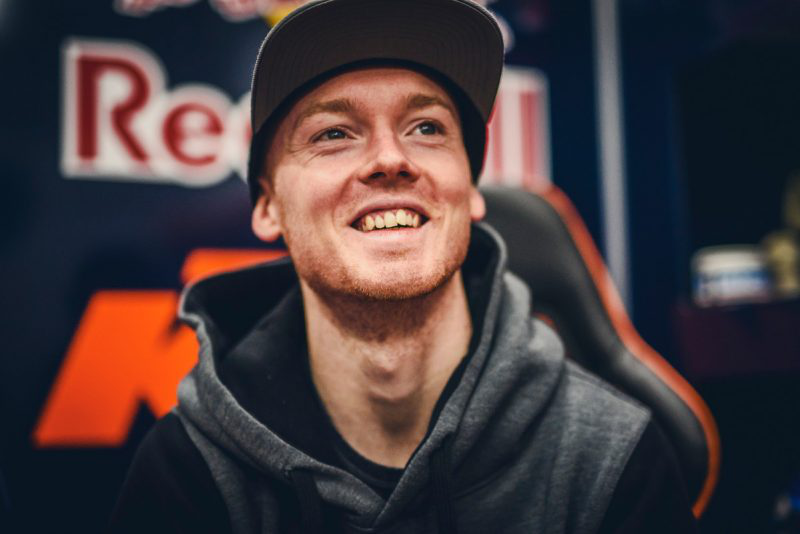
(Image: KTM Blog)
Motorcycle racing is brutal like any other sport. It takes diligence, passion, and perseverance to earn your spot at the top, to truly experience what racing has to give to the rider. In many ways, those involved in the sport find details that could work in their advantage, and one solution that was found to make that easier was through riding coaches. Or spotters, observers, analysts, etc.
If boxers can have their coaches at the side of ring to guide them through the game, these riding coaches point out the very fine and minute details that could make or break a rider’s chance on winning.
To exemplify, Wilco Zeelenberg started working with Jorge Lorenzo at Yamaha in 2010, and now has a similar role for Maverick Viñales. Jonathan Rea has worked with Keith Amor in WorldSBK, Amor also filming Rea to help him perfect his technique.
More recently, Valentino Rossi started working with former 250cc world champion Luca Cadalora, and has employed a rider coach for the VR46 Riders Academy, the talent pool of young Italian racers Rossi has taken under his wing.
Current Red Bull KTM MotoGP rider Bradley Smith was also a relatively early adopter. The Englishman has worked with former 500cc legend Randy Mamola since his entry into MotoGP, and is fulsome in his praise of the idea.Rider coaches or track analysts are not just mere critics, they are also there to look at a rider’s competitors and make comparisons to aid them in giving the best advices.
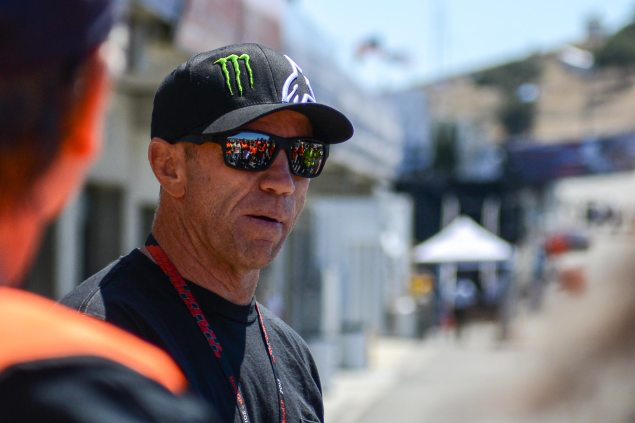
(Image: KTM & © 2013 Jensen Beeler)
It takes an expert to eye what most would not be able to see, which is why Smith said, ““I think that the coaches, as long as how they relay the information to the team and rider is done in the correct way, it’s nothing but beneficial.”
However, not all roads lead to one destination. What might work for a KTM bike might not work for another manufacturer, and vice versa, which is why it is important that a rider filters all the different information he has to gain the best one.
Smith continued, “You have to take all the information and digest it. Basically it just helps you understand is something really stands out.
“You might not necessarily be able to use the option, because of the difference between how the bikes work, but at least it gives you that option. Sometimes you can’t see it, if you are riding round by yourself for example.”
The best information a rider can get, according to Smith, is first hand following another rider. To see what another rider’s motorcycle can do can educate one on what his cannot do, and so on and so forth.
Another good technique is watching one’s own performance, advised Smith. As Dorna provides full coverage of every practice session, riders are able to monitor their performance after their time on the tracks as well as make notes on what to do and what not to do the next time they mount their bikes.