
The Motorcycle ABS #1: A Brief History and Breakdown of Mechanism’s Function
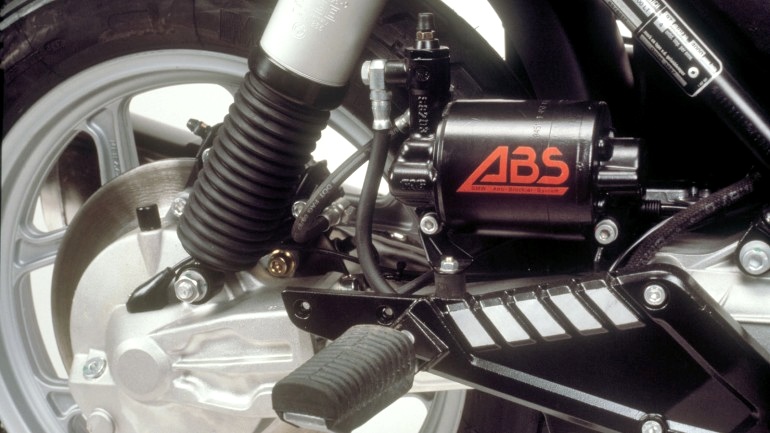
The year is 2018, which means it is the 30th anniversary since ABS on motorcycles was first introduced.
(Image taken from Ride Apart)
Surprising? It seemed like it was just yesterday when the anti-lock braking system was first brought over to the world of motorcycles, so to hear that it was been around for 30 years can be rather hard to believe.
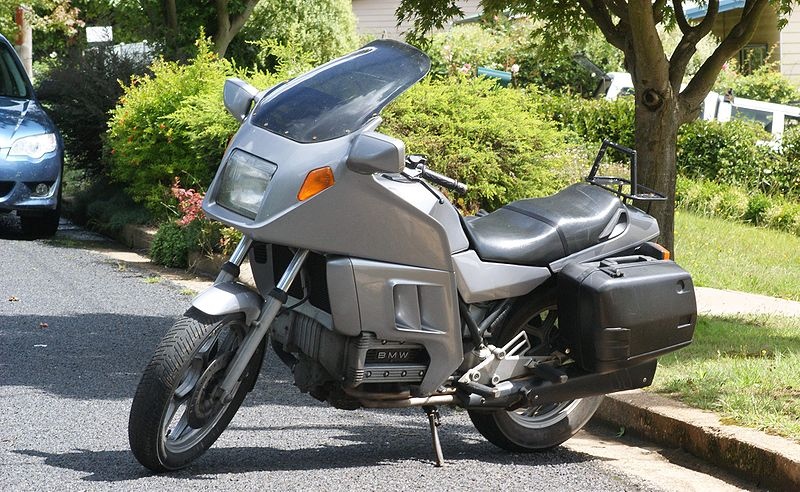
But it is true, and BMW Motorrad was actually the first-ever motorcycle manufacturer to offer the Antilock Brake System as an extra feature on its K 100 series, which was highly popular at that time.
Unlike the smooth-running tech that it is today, though, the ABS from the late 1980s was still rather unsophisticated - even primitive, if you will.
Bringing the technology over from cars and adapting it to fit motorcycles was definitely not easy, with multiple problems such as how the ABS had a pulsating action that also caused some unpleasant noise, or the vibration in the bike’s brake lever and pedal that made the system difficult to operate.
(Image taken from Flickr)
To counter these problems, the engineers over at BMW came up with an electronic/hydraulic system that makes use of a plunger to regulate the hydraulic pressure on the brakes, as well as a ball valve to isolate the brake lever from the system - this helps to reduce vibration through the brake lever.
It all sounds really science-y, but their work really enhanced the system and brought about improvements for the bike. For example, the weight of the system was cut down drastically, while the developments in electronics improved the reliability of the ABS system, making it even faster and smoother to use.
(Image taken from Motorcycle .com)
But how does the Anti-lock Braking System really work?
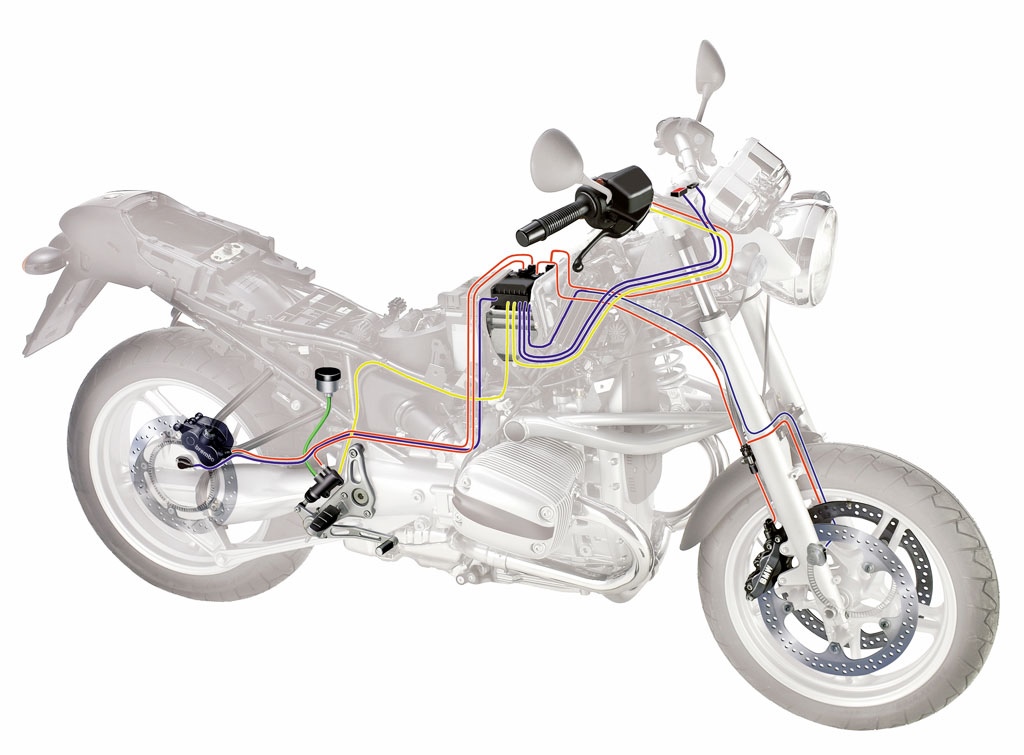
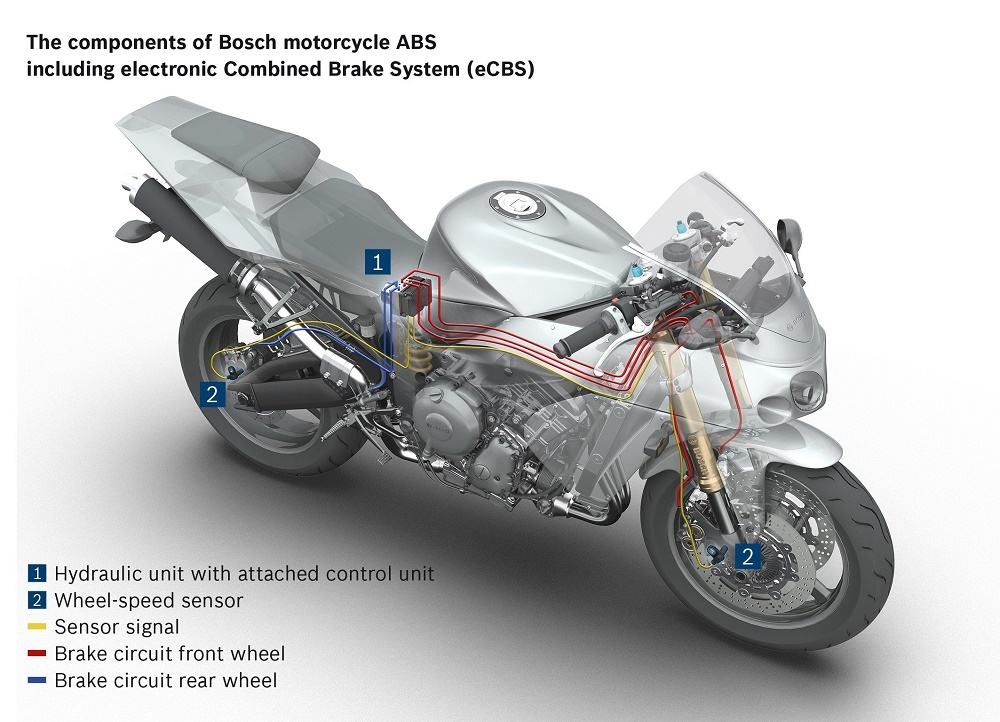
ABS in motorcycles are meant to help the rider reduce speed or stop their bikes in an emergency situation. They do this through the speed sensors installed on the vehicle’s wheels, which help to monitor the speed of rotation so that the wheels do not lock during braking.
If the system senses that the wheels are about to lock, the ABS hydraulic unit will momentarily reduce brake pressure applied by the rider so that the wheels wouldn’t end up locking. This in turn will help the rider regain control of his bike so he/she can continue to ride or slow down safely, if needed.
Check out this video to find out more!
By constantly measuring the wheel speed, the motorcycle ABS will thus be able to intervene if it detects that a wheel is about to stop rotating. Otherwise, in non-emergency situations, the rider will typically not be able to feel the mechanism working and can ride as they usually do.
(Image taken from BOSCH)
So now that you have brushed up your knowledge on the history of ABS as well as how it functions on a motorbike, it’s time to jump straight into the pros and cons of the technology.
Check out Part 2 of the ABS discourse here:
Are Anti-Lock Brakes ABS-olutely Necessary? Or is it Better to ABS-tain?